Mimosa hostilis root bark powder 1kg Processing Guide
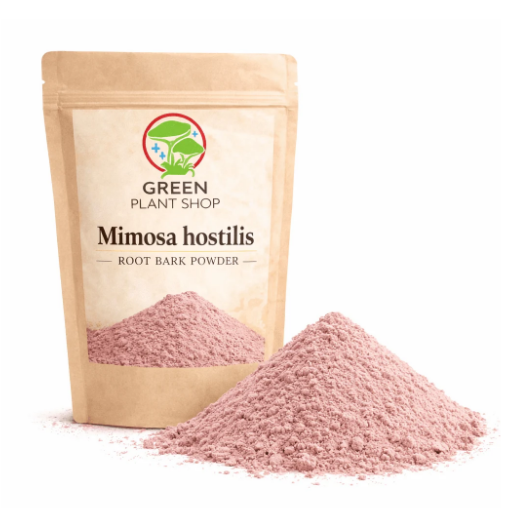
Furthermore, the botanical market has changed considerably. Today, buyers are no longer satisfied with seeing only a plant name and a photograph. Instead, many want to know where a botanical material came from, which part of the plant was used, how the supplier processed it, and how long it may have remained in storage.
Additionally, I have found this information especially important with powdered botanicals because milling removes many of the visual clues that people normally use to examine whole plant material. Therefore, product details become increasingly valuable when I compare Mimosa hostilis root bark powder 1kg.
Ultimately, the information surrounding Mimosa hostilis root bark powder 1kg can prove almost as important as the powder itself. Consequently, I focus on identification, processing, traceability, packaging, and supplier education before making a comparison.
Contents: Root Bark Powder Factors
| Topic | Main focus |
| Identification | Confirming the botanical name |
| Processing | Understanding product formats |
| Traceability | Reviewing origin and handling |
| Packaging | Protecting dried powder |
| Information | Comparing supplier transparency |
Mimosa hostilis root bark powder Identification
First, common names can cause confusion. For example, the plant widely known as Mimosa hostilis is also referred to botanically as Mimosa tenuiflora. Therefore, seeing the botanical identity clearly stated helps buyers understand exactly which plant a seller discusses.
Additionally, this information proves particularly useful when researching Mimosa hostilis root bark powder online because common names can vary between countries and suppliers. Consequently, I look for the scientific name before I compare product claims, packaging, or prices.
Ideally, a well-prepared product page should distinguish:
•species
•plant part
•product form
•package weight
•storage recommendations
Although these details may seem small, they make comparison considerably easier when viewed together. Furthermore, clear identification helps buyers distinguish root bark powder from other plant parts or unrelated botanical products.
For this reason, I want the product page to state whether it offers root bark, whole bark, shredded bark, or powder. Additionally, I expect the listed weight and storage guidance to match the product being supplied.
Mimosa hostilis root bark powder Processing
First, whole bark, shredded bark, and powdered bark represent different product formats. Therefore, buyers should not treat them as interchangeable descriptions when researching Mimosa hostilis root bark powder.
Generally, powder provides convenience because the material has already been milled. However, that convenience makes processing quality important because milling changes the material’s texture and removes many visible features.
From my experience, I prefer botanical powder with a relatively consistent grind. When I see extremely inconsistent texture, I may question how carefully the supplier processed the product.
At the same time, natural botanical powders should not be judged like manufactured chemicals. Indeed, small variations in shade and texture remain normal because plants are biological materials. Therefore, I evaluate consistency alongside botanical identification, product form, packaging, and supplier information.
Ultimately, a consistent appearance can support a clearer product description, but appearance alone cannot prove quality or origin. Instead, I use several details together when comparing Mimosa hostilis root bark powder 1kg.
Mimosa hostilis root bark powder Traceability
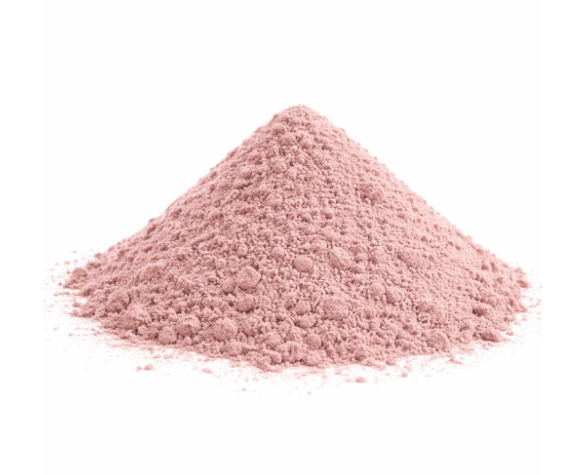
Additionally, that transparency helps distinguish specialist botanical suppliers from websites that copy the same generic description across dozens of products. Consequently, I pay close attention to whether a seller explains Mimosa hostilis root bark powder specifically rather than using broad marketing language.
Furthermore, traceability gives researchers, collectors, craftspeople, and other botanical buyers better context for what they purchase. When a supplier explains the product’s origin and handling clearly, buyers can make more informed comparisons.
Therefore, I look for practical information instead of unsupported claims. Useful details may include the botanical name, plant part, product format, processing description, package weight, and storage guidance.
Ultimately, transparent information does not guarantee that every product will appear identical. However, it gives buyers a stronger basis for evaluating Mimosa hostilis root bark powder 1kg and other available quantities.
Mimosa hostilis root bark powder Packaging
First, good raw material can deteriorate if a supplier stores it poorly. Therefore, packaging forms an important part of quality control for powdered botanicals.
In particular, moisture receives much of my attention when I examine plant powders. Consequently, packaging should remain properly sealed and suitable for keeping the contents dry during storage and transport.
Additionally, milling creates more surface area than intact bark, which can increase exposure to surrounding humidity. For this reason, I prefer packaging that limits unnecessary contact with humid air and helps protect Mimosa hostilis root bark powder during handling.
Once received, I keep botanical powders closed when I am not examining them or using them for their intended lawful purpose. Furthermore, repeated exposure to humid air remains unnecessary and can affect plant material over time.
Ultimately, suitable packaging cannot replace accurate product information, but it can support better storage conditions. Therefore, I consider sealing, handling, and storage recommendations when comparing Mimosa hostilis root bark powder 1kg.
Mimosa hostilis root bark powder Information
Finally, the strongest botanical stores do more than display products. Instead, they help visitors understand differences between species, preparations, weights, and product forms.
Additionally, that educational approach makes a store more useful even before someone makes a purchase. It also encourages buyers to research Mimosa hostilis root bark powder rather than relying entirely on marketing language.
For anyone comparing sources, I would focus first on identification, processing, packaging, and transparency. Together, those four factors provide a much better basis for judging a botanical supplier than price or promotional language alone.
Furthermore, I would compare the botanical name, plant part, grind, package weight, origin details, storage instructions, and communication quality. When a supplier presents those points clearly, buyers can evaluate Mimosa hostilis root bark powder 1kg with greater confidence.
Ultimately, better information creates better-informed buyers. Therefore, I treat clear descriptions and responsible product communication as central factors when researching Mimosa hostilis root bark powder.





Post Comment